
The Birth of Celtic Football Club
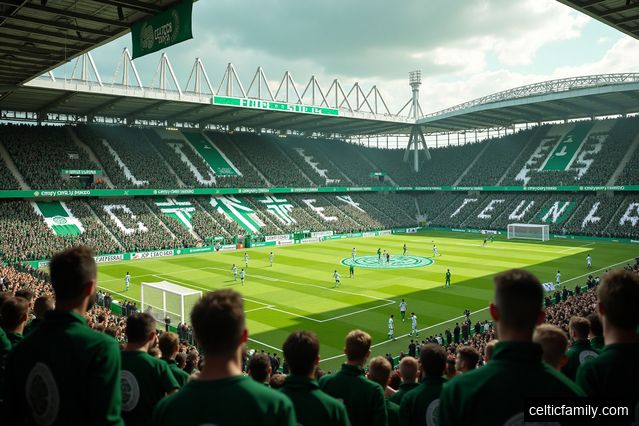
Celtic Football Club was founded in 1887 by Brother Walfrid, an Irish Marist Brother, with the intention of raising funds to help alleviate poverty in the east end of Glasgow. The club's early years were marked by the influx of Irish immigrants to Scotland, who found solace and community in supporting the team. This Irish influence would come to shape the club's identity and fanbase, laying the foundation for Celtic's enduring impact on Scottish football culture.
A Club Rooted in Identity
Celtic's Irish heritage is a significant aspect of the club's identity. From the iconic green and white hoops of their jerseys to the traditional Irish music and songs heard at matches, Celtic's connection to its roots is deeply ingrained in the fan experience. The club has always been seen as a symbol of Irish heritage and a representation of the Irish community in Scotland.
Rivalry with Rangers and the Old Firm Derby
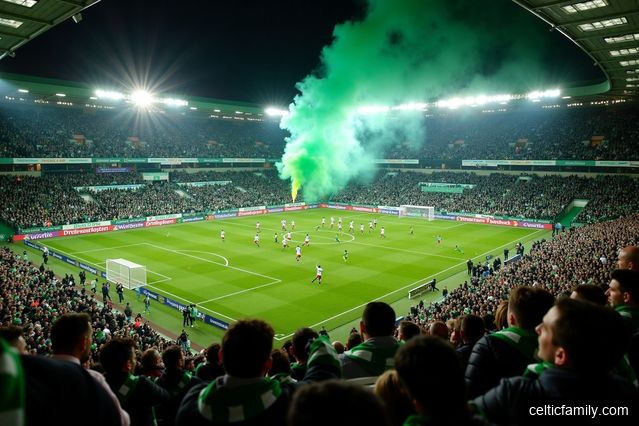
One of the most intense and historic rivalries in world football is the Old Firm derby between Celtic and Rangers. The rivalry between these two Glasgow clubs goes beyond football and encompasses deep-seated religious, cultural, and political divisions in Scotland. The Old Firm matches are known for their passionate atmosphere, intense competition, and often controversial moments, making them an integral part of Scottish football culture.
The Divide and Unity
The rivalry between Celtic and Rangers reflects the historical divisions between the Catholic and Protestant communities in Scotland. However, it also provides an opportunity for unity and camaraderie, as fans come together to support their respective teams. The Old Firm matches bring people from all walks of life to the stadiums, creating a unique and vibrant atmosphere that showcases the passion and dedication of Scottish football supporters.
European Success and Global Recognition
Celtic's success on the European stage has played a significant role in elevating the club's status and spreading Scottish football culture beyond national borders. The iconic Lisbon Lions, the Celtic team that won the European Cup in 1967, are still celebrated as the first British team to achieve such a feat. This historic achievement not only solidified Celtic's place in football history but also brought attention to Scottish football as a whole.
Celtic's Global Fanbase
Celtic's success and cultural impact have attracted a global following. The club has a strong fanbase across the world, with supporters gathering in Celtic bars and clubs in various countries to watch matches and celebrate their shared love for the team. The global reach of Celtic's influence has helped spread Scottish football culture and foster connections between fans from different backgrounds.
Social Responsibility and Community Engagement
Celtic Football Club has always been committed to social responsibility and community engagement. From its early days as a club formed to help those in need to its ongoing charitable initiatives, Celtic has used its platform to make a positive impact on society. The club's dedication to philanthropy and community involvement has inspired other Scottish clubs to follow suit, further strengthening the bond between football and society.
The Celtic Way
The ethos of "The Celtic Way" encompasses the club's values of inclusivity, equality, and social justice. This philosophy has permeated through the generations of players, managers, and fans, creating a sense of unity and collective responsibility. Celtic's commitment to making a difference off the pitch has made them a leader in using football as a vehicle for positive change.